
One of the most frustrating sleep experiences is consistently sleeping 8 hours and still waking up tired. It contradicts the simple advice everyone gives ("just get 8 hours of sleep!") and can make people feel there is something fundamentally wrong with them. There isn't -- but there is almost certainly something specific happening that is impairing the quality, architecture, or alignment of their sleep despite adequate duration.
This guide covers the 10 most common specific causes of fatigue despite 8 hours, with actionable diagnostic questions and interventions for each.
Reason 1 -- Waking Mid-Sleep Cycle (Sleep Inertia)
The most commonly overlooked cause of feeling tired after 8 hours is waking at the wrong point in the sleep cycle. Sleep cycles last approximately 90 minutes, and they exist in distinct stages with very different arousal characteristics. Waking during deep N3 slow-wave sleep -- which can occur anywhere in a cycle but is most common in the first two cycles of the night -- produces significant "sleep inertia": grogginess, cognitive fog, and impaired function that can last 20-60 minutes.
8 hours is not always a multiple of 90 minutes from your actual sleep onset time. If you fall asleep at 11:15 PM and wake at 7:15 AM, you've slept exactly 8 hours -- but if a full cycle boundary occurred at 7:00 AM, you've woken 15 minutes into a new deep sleep stage. Waking 15 minutes earlier at the cycle boundary would have produced significantly less grogginess despite less total sleep. Use our Sleep Cycle Calculator to find cycle-aligned wake times.
Reason 2 -- Sleep Apnea (The Most Important)
Undiagnosed obstructive sleep apnea is the most medically significant cause of fatigue despite adequate sleep hours, and it is dramatically underdiagnosed. Sleep apnea causes the airway to partially or fully collapse during sleep, producing micro-arousals (3-15 second wake events) that prevent consolidation into restorative N3 sleep. These arousals happen silently -- you will not remember them -- but they fragment sleep architecture throughout the night, preventing the physical and cognitive restoration that N3 sleep should provide.
The result: you spend 8 hours in bed, your sleep tracker shows you "asleep" for most of it, but the actual restorative value of that sleep is a fraction of what 8 hours of unobstructed sleep would provide. Classic warning signs include loud snoring, morning headaches, waking with a dry mouth, and extreme daytime sleepiness despite adequate hours in bed. However, many people have "silent" sleep apnea with fatigue as the primary symptom. Use our Sleep Apnea Risk Calculator to assess your risk.
Reason 3 -- Alcohol the Night Before
Alcohol is one of the most potent sleep quality disruptors available and one of the most commonly overlooked. While alcohol helps you fall asleep faster (it's a sedative), it severely disrupts sleep architecture in ways that impair rest quality regardless of total hours slept:
- Suppresses REM sleep in the first half of the night (impairing emotional processing and memory consolidation)
- Suppresses N3 slow-wave sleep (impairing physical recovery)
- Produces a rebound arousal 4-5 hours after consumption (disrupting the second half of sleep)
- Increases snoring and worsens sleep apnea events
Even 1-2 drinks the night before measurably reduces sleep quality. People who drink regularly often have completely adapted to feeling slightly unrested every morning -- they have lost the baseline comparison. A 2-week alcohol elimination period is the fastest diagnostic test for whether alcohol is the cause of fatigue despite adequate hours.
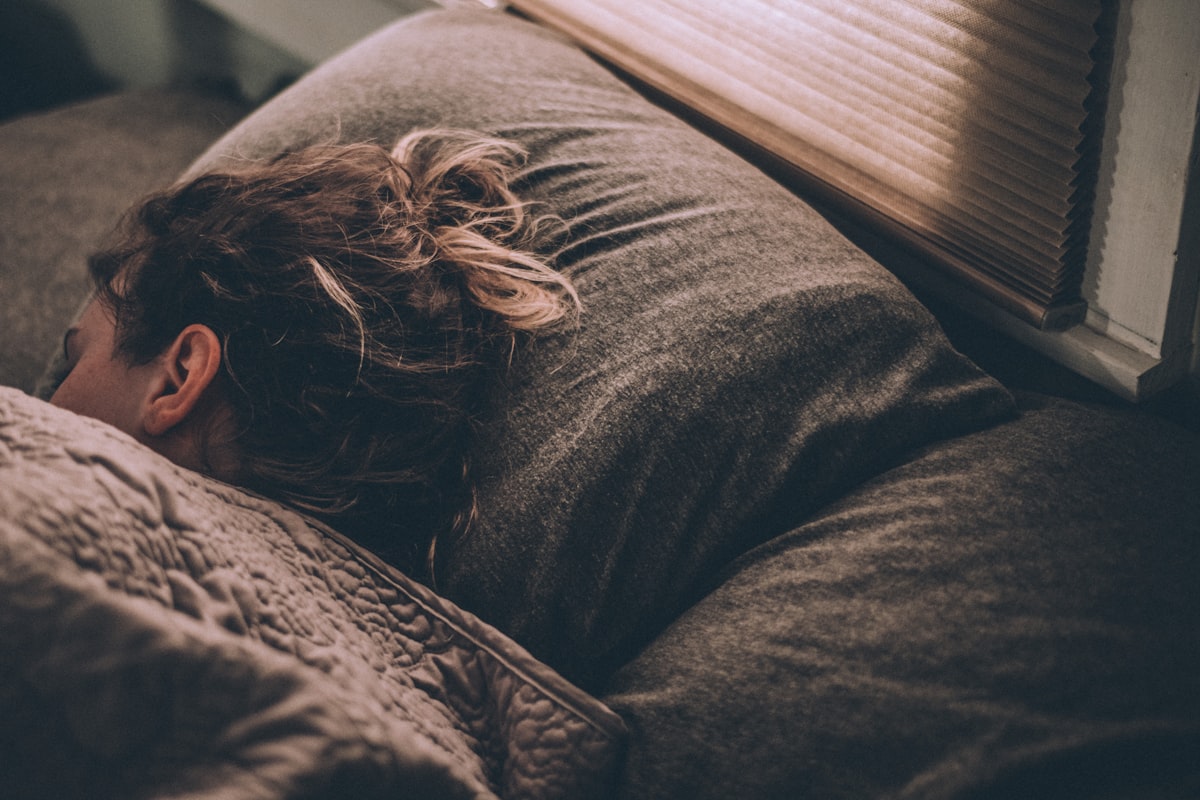
Sleep quality matters as much as sleep quantity -- 8 hours of disrupted sleep is less restorative than 7 hours of unobstructed sleep. Photo: Unsplash
Reason 4 -- Bedroom Too Warm
Bedroom temperature is one of the most impactful and most ignored factors in sleep quality. The optimal sleep temperature is 65-68F (18-20C). Temperatures above 70F (21C) significantly reduce N3 slow-wave sleep -- the most physically restorative sleep stage -- and increase nighttime waking. Many people sleep in bedrooms at 72-75F and are essentially depriving themselves of adequate deep sleep every night while sleeping 8+ hours.
This is a particularly easy fix: cooling the bedroom by 4-6F often produces dramatic subjective improvements in sleep quality within the first night. A bedroom fan, air conditioning adjustment, or cooling mattress pad can achieve this without significant investment.
Reason 5 -- Iron Deficiency or Low Ferritin
Iron deficiency -- specifically low ferritin (iron stores), not just low hemoglobin -- produces fatigue that does not resolve with sleep because it impairs oxygen transport, dopamine synthesis, and mitochondrial energy production at the cellular level. Ferritin below 30 ng/mL commonly causes fatigue even in people with normal hemoglobin. This is frequently missed because standard "iron tests" measure serum iron or hemoglobin but not ferritin specifically -- you may need to request ferritin by name from your physician.
Reason 6 -- Hypothyroidism
An underactive thyroid slows cellular metabolism throughout the body, producing fatigue, brain fog, weight gain, cold intolerance, and depression. Hypothyroidism is associated with increased total sleep time (people sleep more) combined with non-restorative quality (they wake feeling unrested despite more sleep). A TSH blood test diagnoses it. Levothyroxine replacement is highly effective once the diagnosis is made.
Reason 7 -- Depression
Depression specifically alters sleep architecture in ways that produce non-restorative sleep: it reduces slow-wave sleep, advances REM sleep to earlier in the night (causing earlier and more frequent REM periods), and is associated with both hypersomnia (sleeping too much) and unrefreshing sleep. People with depression often spend 9-10 hours in bed but wake feeling unrested. If fatigue is accompanied by persistent low mood, loss of interest, or difficulty with daily activities, mental health evaluation is warranted before continuing to investigate physical sleep causes.
Reason 8 -- Vitamin D Deficiency
Vitamin D deficiency (25-OH-D below 30 ng/mL) is associated with fatigue, muscle weakness, and reduced sleep quality. It is extremely common (affecting an estimated 40% of Americans) and easily corrected with supplementation once identified. Vitamin D receptors are present in sleep-regulating brain regions, and several studies link low vitamin D to shorter sleep duration and poorer sleep quality. Get your 25-OH-D tested before supplementing.
Reason 9 -- Medications
Many commonly prescribed medications suppress sleep quality without the person realizing it: beta-blockers suppress melatonin production; benzodiazepines and Z-drugs suppress N3 and REM despite helping onset; SSRIs often suppress REM sleep; antihistamines produce sedation that mimics sleep but suppresses normal sleep architecture; and corticosteroids are profoundly alerting. If fatigue began or worsened after starting a medication, discuss with your prescribing physician -- timing adjustments, dose changes, or medication switching may resolve the issue.
Reason 10 -- Circadian Misalignment
If your 8 hours of sleep occur at the wrong biological time -- too early for your chronotype (a night owl forced to sleep at 10 PM) -- you will feel unrested despite adequate duration. The circadian system regulates not just when you sleep but the quality and composition of sleep at different times. Sleeping at circadian-misaligned times produces more light sleep and less slow-wave sleep, because the circadian system is not programming the deep sleep stages at those hours. Use our Chronotype Calculator to assess your biological timing and whether misalignment may be a factor.
Diagnostic Framework -- Finding Your Specific Cause
A systematic approach to identifying why you feel tired after 8 hours:
- Assess sleep quality, not just quantity: Track how rested you feel on a 1-10 scale each morning for 2 weeks. Consistent low scores despite 8 hours confirm quality impairment.
- Screen for sleep apnea: Use our STOP-BANG tool. Moderate-to-high risk warrants a home sleep study.
- Eliminate alcohol for 2 weeks: The most powerful diagnostic test for alcohol-related sleep quality impairment.
- Cool your bedroom to 65-68F: Simple, fast, and if it helps, confirms temperature was a factor.
- Get targeted blood work: Specifically request ferritin (not just hemoglobin), TSH, 25-OH vitamin D, and B12.
- Review medications: Discuss with your physician whether any current medications may be affecting sleep architecture.

Identifying and addressing the specific cause of fatigue after 8 hours produces rapid, meaningful improvement. Photo: Unsplash