Sleep Environment Checker
10 questions about your bedroom setup. Get your sleep environment score and specific improvements ranked by impact on your sleep quality.
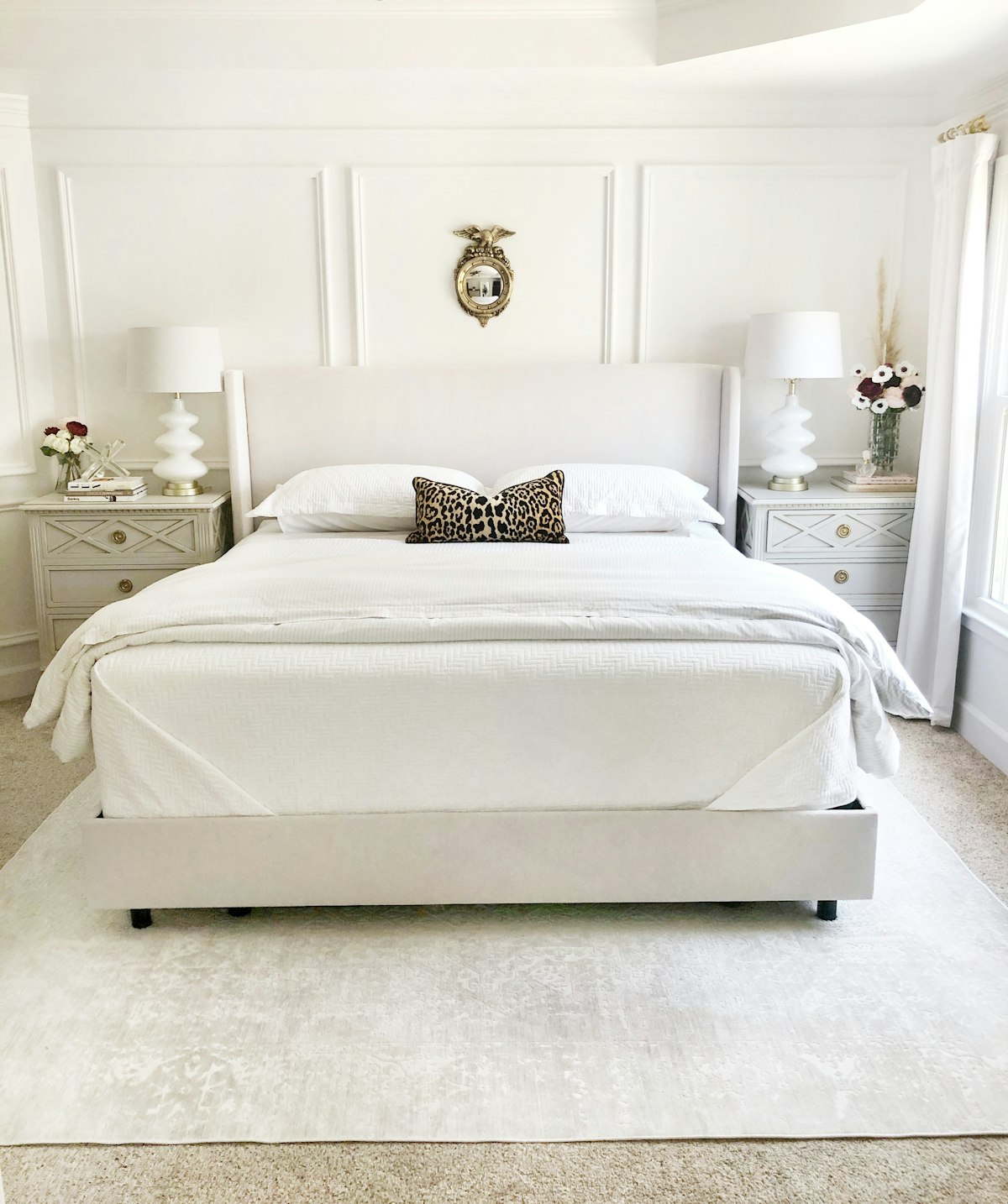
Bedroom environment optimization for sleep -- light, temperature, and noise factors · Photo: Unsplash
Sleep Environment — The Science of Your Bedroom Setup
Your bedroom environment has a direct, measurable impact on sleep quality that most people significantly underestimate. While behavioral factors (schedule, caffeine, stress) receive most attention in sleep hygiene discussions, environmental factors — temperature, light, noise, and air quality — work through physiological mechanisms that affect sleep architecture regardless of behavioral choices. Optimizing your sleep environment is one of the highest-return investments in sleep health available.
Temperature — The Most Important Physical Variable
Bedroom temperature is the most consistently impactful environmental variable for sleep quality. For sleep to initiate and maintain, core body temperature must drop approximately 1°C from daytime levels. A bedroom temperature in the range of 16–19°C (61–66°F) facilitates this drop through convective and radiative heat loss. Temperatures above 24°C significantly increase sleep fragmentation, reduce deep sleep, and increase nighttime awakenings. This is why summer heat waves cause such pronounced sleep disruption.
The temperature preference varies slightly between individuals — people with higher BMI generally prefer cooler temperatures, and circadian chronotype influences peak sleepiness temperature. Cooling the bedroom an hour before target bedtime (rather than immediately at bedtime) aligns with the natural body temperature decline that precedes sleep onset.
Light — The Circadian Disruptor
Even low levels of light during sleep can suppress melatonin and affect sleep quality. Studies show that sleeping in a lit room (like leaving the TV on) significantly reduces deep sleep in the first half of the night. Even a 10-lux exposure — equivalent to a dim night light — produces measurable melatonin suppression. The sources of problematic bedroom light are numerous and often overlooked: LED indicator lights on electronics, streetlights through curtains, phone screens, alarm clock displays, and light from under doors.
The solutions are inexpensive: blackout curtains (or a sleep mask), covering LED indicators with electrical tape, ensuring the bedroom is completely dark when you turn off the lights. These changes cost little and have measurable impact on sleep quality.
Noise — Preventing Micro-Arousals
Sleep is not uniform — it consists of alternating cycles with brief transition periods during which the sleeping brain is temporarily more responsive to external stimuli. Sudden sounds during these transitions trigger micro-arousals that fragment sleep without the person fully waking. Over a full night, multiple micro-arousals significantly reduce sleep quality even when total sleep time is unchanged.
The solution is not silence (which is rarely achievable in practice) but sound consistency. White or pink noise creates a stable acoustic background that reduces the contrast between silence and sudden sounds, preventing the micro-arousals that sudden sounds cause. Consistent ambient sound (fan, air purifier, white noise machine) is more protective than complete silence in most real-world environments.