📅 Last reviewed: July 2026 · MySleepTool Editorial Team
Sleep Before Exam Calculator
Get a personalized sleep plan for the night before your test — including your optimal bedtime, study cutoff time, and morning schedule.
—
—
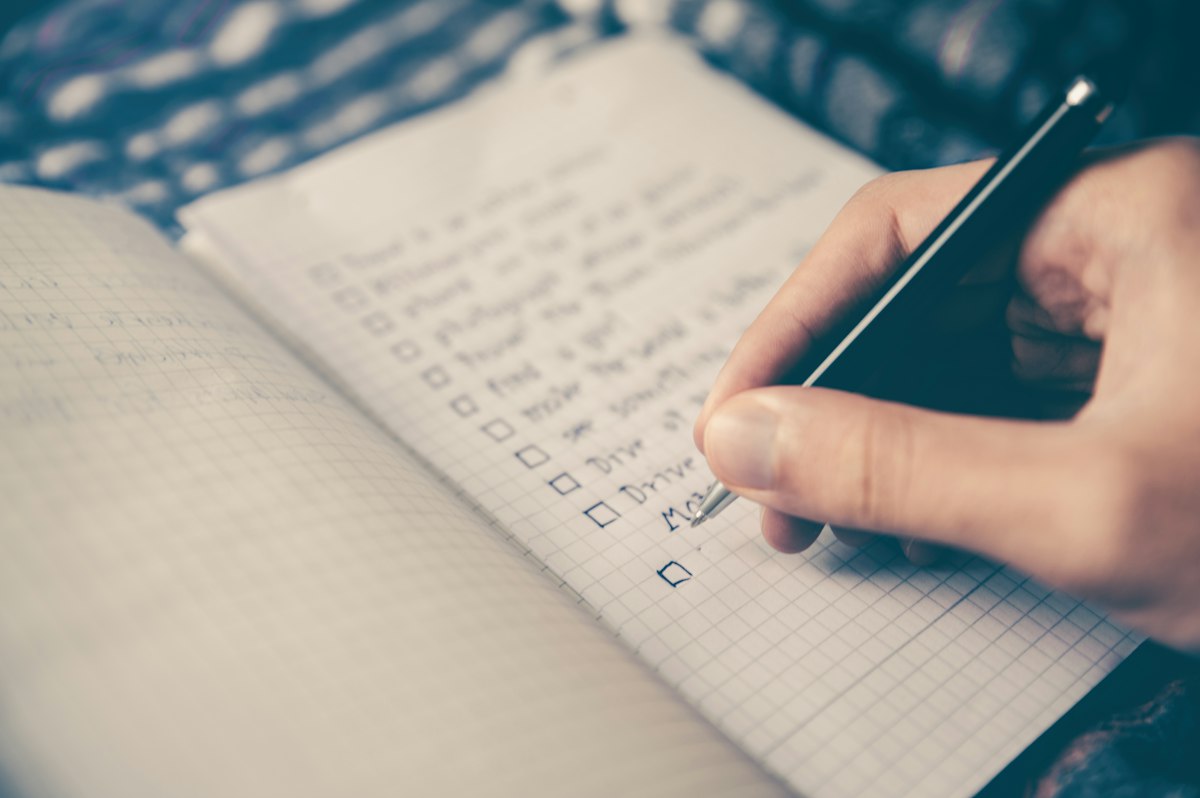
Student with books representing pre-exam sleep optimization · Photo: Unsplash
Sleep and Memory — Why Rest Beats Cramming
The relationship between sleep and exam performance is one of the most robustly replicated findings in educational neuroscience. Sleep — particularly the combination of deep NREM sleep and REM sleep — is not a passive period for the brain. It is when the hippocampus actively replays and transfers learned information to distributed cortical networks for long-term storage.
Memory Consolidation During Sleep
During slow-wave sleep, the hippocampus — which acts as a temporary holding area for new memories — "replays" the day's learning, transmitting it to the neocortex for permanent storage. This process, called systems consolidation, physically requires sleep and cannot be accelerated by willpower or caffeine. During REM sleep, the brain strengthens procedural and associative memories, creating the flexible knowledge network that allows exam performance beyond rote recall.
The All-Nighter Penalty
Staying up all night before an exam impairs cognitive function through multiple simultaneous mechanisms: reaction time slows, working memory capacity reduces, attention becomes unstable, decision-making is impaired, and emotional regulation deteriorates (increasing exam anxiety). Research by Walker and colleagues shows that one night of sleep deprivation impairs hippocampal encoding by approximately 40% — meaning new information studied while sleep-deprived is largely unavailable for recall. The optimal strategy: finish studying, then sleep fully.
Exam Sleep — FAQ
How many hours of sleep before an exam?
7.5–9 hours for adults; 8.5–10 for teenagers. These ranges cover 4–5 complete 90-minute sleep cycles. It's important to allow complete cycles — waking mid-cycle (e.g., after 6 hours from 5 full cycles start) produces more grogginess than waking at the natural end of a cycle. Our Sleep Cycle Calculator can help time wake alarms at cycle boundaries.
Should I pull an all-nighter before an exam?
No — research consistently shows all-nighters produce worse exam performance than a full night of sleep, even if total study time is greater. Sleep deprivation impairs recall, working memory, attention, and test-taking decision-making. If you haven't studied enough, a few extra hours of studying while sleep-deprived will not compensate for the cognitive impairment of that deprivation. The better strategy: stop studying, sleep fully, and rely on what you've already consolidated.
What if I can't sleep due to exam anxiety?
Pre-exam anxiety is one of the most common causes of poor sleep before tests. Evidence-based approaches: the "worry dump" — write all your concerns and a brief action plan before bed, which "transfers" them out of working memory; progressive muscle relaxation; 4-7-8 breathing technique; and importantly — remind yourself that lying in bed resting even without perfect sleep is significantly better than no rest at all. Avoid clock-watching (it increases anxiety).
📋 Reviewed by: MySleepTool Editorial Team · Last updated: July 2026 · Sources: Walker MP "Why We Sleep" (2017), Diekelmann S & Born J "The memory function of sleep" Nature Reviews Neuroscience (2010). Educational purposes only.