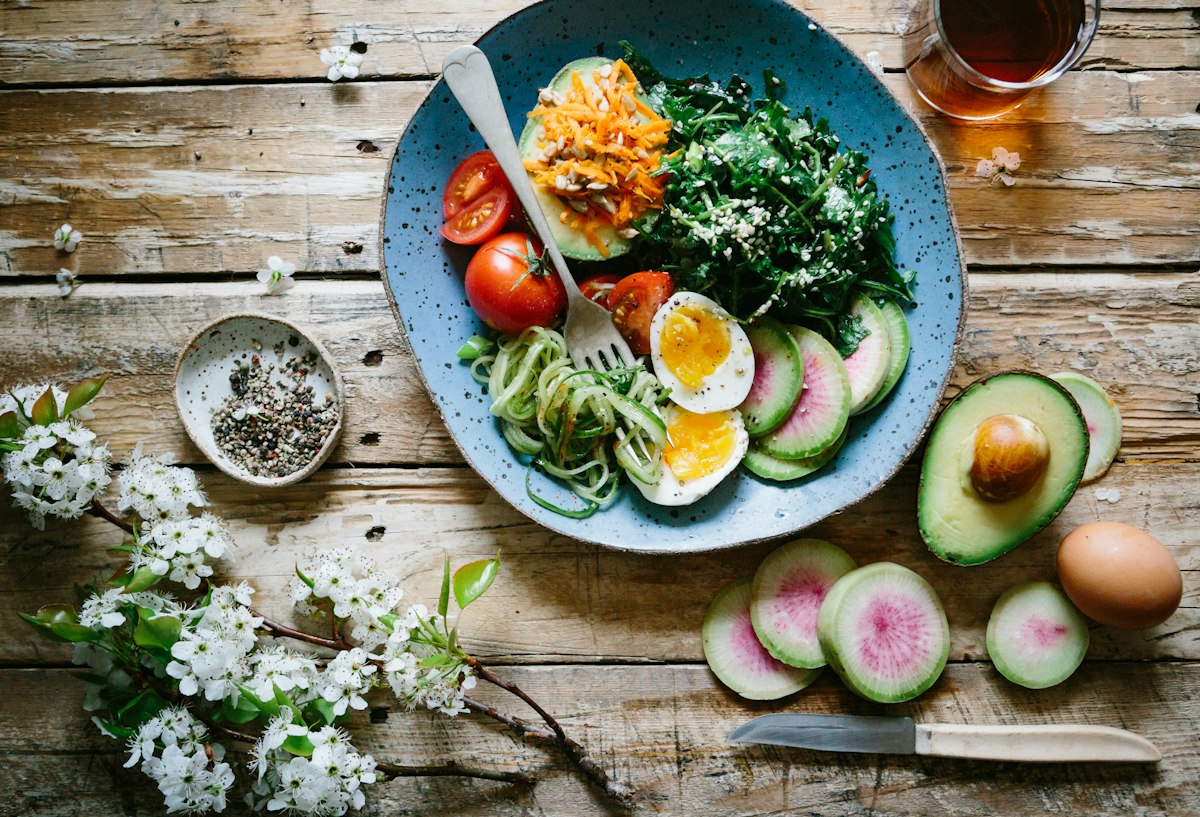
Food's effect on sleep is one of the most misunderstood areas of sleep science. Claims range from the genuinely evidence-backed to the purely anecdotal. This guide focuses on foods with the strongest scientific evidence for improving sleep quality, and the foods with the clearest evidence for impairing it.
The mechanism matters: foods can affect sleep through multiple pathways -- providing precursors to melatonin and serotonin, directly containing melatonin, providing minerals that support sleep-regulating neurotransmitters, or affecting core body temperature and digestion timing.
Foods With the Strongest Sleep Evidence
1. Tart Cherries and Tart Cherry Juice
Tart cherries are one of the richest dietary sources of melatonin -- the hormone that signals sleep onset to the circadian system. A randomized controlled trial published in the European Journal of Nutrition found that participants drinking 480ml of tart cherry juice daily experienced an average of 84 minutes more sleep per night and improved sleep efficiency compared to the placebo group.
Tart cherries also contain proanthocyanidins that inhibit tryptophan metabolism, keeping more tryptophan available for serotonin and melatonin synthesis. They have strong anti-inflammatory properties that may reduce pain-related sleep disruption. Dried tart cherries and tart cherry concentrate capsules provide similar benefits to the juice.
2. Kiwi Fruit
A study by Taiwanese researchers published in the Asia Pacific Journal of Clinical Nutrition found that eating 2 kiwi fruits one hour before bedtime for 4 weeks significantly improved sleep onset time, total sleep duration, and sleep efficiency. The proposed mechanisms: kiwi is rich in serotonin, antioxidants (vitamin C, vitamin E), and folate -- all of which have demonstrated roles in sleep regulation.
3. Fatty Fish (Salmon, Mackerel, Sardines)
Fatty fish provide two sleep-supporting nutrients: omega-3 fatty acids and vitamin D. Omega-3s (particularly DHA) support serotonin synthesis and have anti-inflammatory effects that improve sleep architecture. Vitamin D deficiency -- extremely common, affecting an estimated 40% of Americans -- is associated with shorter sleep duration and reduced sleep quality. A study in the Journal of Clinical Sleep Medicine found that eating fatty fish three times per week improved sleep onset and daytime functioning compared to chicken or pork as the primary protein source.
4. Walnuts
Walnuts contain melatonin, serotonin, and magnesium -- three direct sleep-supporting compounds. They are also one of the best dietary sources of tryptophan (the amino acid precursor to serotonin and melatonin). A handful (28g) of walnuts in the evening provides a meaningful amount of all three. Their healthy fat content slows digestion, preventing blood sugar spikes that can cause nighttime waking.
5. Warm Milk and Dairy
The evidence for warm milk is modest but mechanistically real. Dairy contains tryptophan, and calcium helps the brain use tryptophan to manufacture melatonin more efficiently. The warmth of the drink briefly raises core body temperature, which then produces a rebound drop that facilitates sleep onset -- the same mechanism as a warm bath before bed. Dairy also contains casein protein, which digests slowly and helps maintain stable blood sugar through the night.
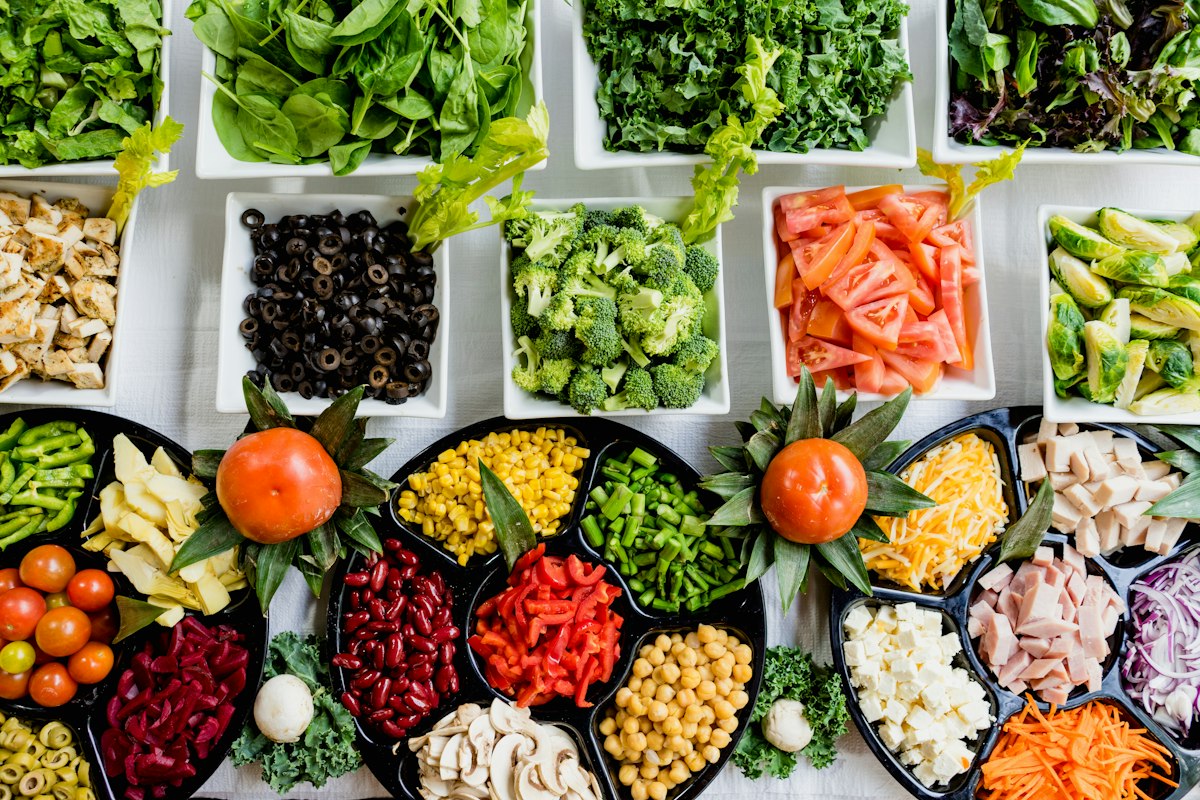
Fatty fish, dark leafy greens, and complex carbohydrates support sleep quality through multiple mechanisms. Photo: Unsplash
6. Magnesium-Rich Foods
Magnesium is required for the function of GABA receptors -- the brain's primary inhibitory neurotransmitter system -- and for the regulation of the sleep hormone melatonin. Magnesium deficiency, which affects an estimated 68% of Americans, is associated with insomnia, restless sleep, and nighttime muscle cramps. Best dietary sources:
- Pumpkin seeds: 37% of daily value per ounce
- Almonds: 19% daily value per ounce
- Spinach (cooked): 19% daily value per half cup
- Dark chocolate (70%+): 15% daily value per ounce
- Black beans: 14% daily value per half cup
7. Complex Carbohydrates (Oatmeal, Brown Rice)
Complex carbohydrates support tryptophan transport across the blood-brain barrier by triggering insulin release, which clears competing amino acids from the bloodstream -- leaving tryptophan relatively unopposed at the blood-brain barrier. This is the actual mechanism behind "carbs making you sleepy." A small bowl of oatmeal or wholegrain crackers 1 hour before bed can support tryptophan availability for melatonin synthesis.
Foods That Impair Sleep
Caffeine -- The Most Impactful
Caffeine blocks adenosine receptors, preventing the accumulation of sleep pressure. Its half-life is approximately 5-7 hours in most adults (longer in some people). A coffee at 2 PM means 25% of the caffeine is still circulating at midnight. Caffeine also suppresses deep N3 sleep even when you successfully fall asleep -- you sleep longer in light stages to compensate, waking feeling unrefreshed. Use our Caffeine Calculator to find your personal cutoff time.
Alcohol
Alcohol's effect on sleep is one of the most important and consistently misunderstood facts in sleep science. Alcohol helps you fall asleep faster (it's a sedative), but it severely disrupts sleep quality. It suppresses REM sleep in the first half of the night, and as it metabolizes (4-5 hours after drinking), produces a cortisol rebound that causes frequent waking, vivid dreams, and lighter sleep in the second half. Even 1-2 drinks measurably disrupts sleep architecture. Use our Alcohol and Sleep Calculator to see the impact of specific drinks and timing.
High-Fat, High-Calorie Meals
Large, fatty meals within 2-3 hours of bedtime elevate core body temperature (as digestion generates heat), keep the digestive system active (which maintains physiological arousal), and can worsen acid reflux -- all of which oppose sleep onset and reduce sleep quality. Research shows high-fat dinner content reduces slow-wave sleep duration and increases nighttime waking frequency.

Dietary choices in the hours before bed meaningfully affect sleep architecture. Photo: Unsplash
Meal Timing -- When You Eat Matters as Much as What
Beyond food composition, the timing of eating relative to sleep significantly affects sleep quality. Late eating creates several sleep-opposing physiological states: elevated core body temperature from active digestion (the opposite of the drop needed for sleep onset), insulin elevation that competes with melatonin synthesis, and increased gastrointestinal motility that can cause discomfort during sleep.
Research published in the Journal of Clinical Sleep Medicine found that higher fat and lower fiber intake on a given day was associated with lighter, less restorative sleep with more arousals. Conversely, higher fiber, lower saturated fat, and lower sugar intake was associated with more slow-wave sleep and fewer nighttime arousals. These effects operated on a day-to-day basis -- the previous day's dietary composition influenced that night's sleep architecture.
The practical eating schedule for better sleep
For most adults, the optimal approach: eat your largest meal at least 3 hours before bed, finish all food 2 hours before bed except for a small optional sleep-supporting snack (tart cherry juice, a small bowl of oatmeal, warm milk, or a handful of walnuts) within 1 hour of bed. Avoid all caffeine after 2 PM (accounting for the 5-7 hour half-life). Limit alcohol to 1-2 drinks and finish drinking at least 3-4 hours before bed.
The Gut-Sleep Connection
An emerging area of sleep research involves the gut microbiome and its influence on sleep quality. The gut produces approximately 95% of the body's serotonin -- the precursor to melatonin -- making gut health directly relevant to sleep hormone synthesis. Research published in 2020 showed gut microbiome composition was associated with sleep efficiency, total sleep time, and sleep stage distribution in otherwise healthy adults.
Foods that support gut health -- fermented foods (yogurt, kefir, kimchi, sauerkraut), high-fiber foods (vegetables, legumes, whole grains), and diverse plant foods -- also support the serotonin and melatonin production that underlies sleep quality. This provides another mechanism by which a Mediterranean-style diet (high in vegetables, fish, legumes, and healthy fats) is associated with better sleep quality in large observational studies.
Foods to avoid: the caffeine trap
Many people are consuming significantly more caffeine than they realize, because caffeine appears in non-obvious sources. Beyond coffee, caffeine is present in: black tea (25-48mg per cup), green tea (25-35mg), some herbal teas (particularly yerba mate, guarana), dark chocolate (12mg per ounce), milk chocolate (6mg per ounce), many sodas including cola and some citrus sodas, energy drinks (80-300mg), pre-workout supplements, and some pain medications (Excedrin contains 65mg per tablet). Use our Daily Caffeine Intake Calculator to total all your sources and see whether your total consumption is affecting sleep.
Practical Sleep Nutrition Protocol
Combining the evidence above into a practical daily framework:
- Morning: High-protein breakfast with complex carbohydrates stabilizes blood sugar for the day
- Before noon: Last caffeine intake (allows full clearance before bed)
- Afternoon: Include magnesium-rich foods (nuts, seeds, leafy greens) in lunch
- Evening meal (3+ hours before bed): Moderate size, include fatty fish 2-3x per week, complex carbohydrates to support tryptophan transport
- 60-90 min before bed (optional): Tart cherry juice, warm milk, small bowl of oatmeal, or a handful of walnuts
- No alcohol within 3-4 hours of bed